
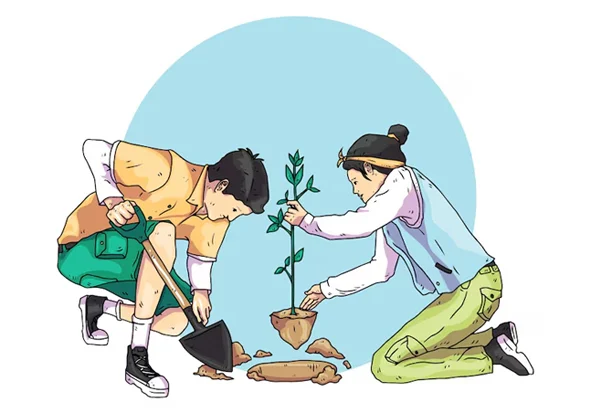
Paise milte hain trees lagane ke liye — aur yeh actually kaam karta hai. Ecuador ne prove kar diya.
Imagine karo — government aapko paise de rahi hai sirf isliye ki aapne apni zameen pe trees laga diye aur unhe nahi kaata. Yeh kisi sci-fi movie ka scene nahi hai — yeh Ecuador, China, Costa Rica, aur partially India mein already ho raha hai.
Ecuador, Costa Rica, China, aur kuch African nations Payments for Ecosystem Services (PES) programs run karte hain jahan landowners aur farmers ko directly paise milte hain trees plant karne aur forests protect karne ke liye. China ka Grain for Green program — duniya ka largest — 15 million farmers ko payment karta hai. India mein Green India Mission aur state-level programs exist karte hain, lekin scale aur awareness dono limited hain.
Ecuador — Jahan Jungle Ko Legal Rights Milti Hain Aur Farmers Ko Paise
2008 mein Ecuador ne kuch extraordinary kiya — unhone apne constitution mein Nature ko legal rights de di. Pachamama — Earth Mother — ko officially rights di gayi hain exist karne, regenerate karne, aur flourish karne ki. Yeh duniya mein pehli baar tha.
Lekin rights se zyada practically powerful tha Ecuador ka Socio Bosque program — 2008 mein launch hua. Is program mein government indigenous communities aur private landowners ko direct cash payments deti hai agar woh apni forests preserve kareen.
Payment structure simple hai: jitni zyada forest, utna zyada payment — per hectare basis pe, sliding scale mein. Average payment approximately $30–$60 per hectare per year hota hai. Chhote lagta hai — lekin ek family ke liye jo 50 hectare forest ki owner hai, yeh $1,500–$3,000 annual supplementary income hai. Rural Ecuador mein yeh significant amount hai.
Program ka result kya raha? 2008 se approximately 1.4 million hectares enrolled hain — Ecuador ke total territory ka roughly 5%. Deforestation rates enrolled areas mein dramatically drop hui hain. Aur ek important side effect: communities jo pehle logging se immediate income leti thi — unhone realize kiya ki long-term preservation financially zyada valuable hai.
Payments for Ecosystem Services (PES) — The Economic Logic
Yeh concept simple hai lekin revolutionary: ecosystem services — jo cheezein nature hamare liye free mein karti hai — carbon sequestration, water purification, flood control, biodiversity — in sab ki economic value hoti hai. Lekin market system mein yeh value capture nahi hoti.
Ek farmer ke paas forest land hai. Agar woh tree kaata hai — immediate timber income milti hai. Agar woh forest preserve karta hai — kya milta hai? Traditionally: kuch nahi. PES programs yeh market failure fix karte hain — preservation ko financially rewarding banate hain.
China Ka Grain for Green — 15 Million Farmers Ko Payment
China ka Sloping Land Conservation Program — jise “Grain for Green” bhi kehte hain — 1999 mein launch hua. Scale genuinely staggering hai: 15 million farming households participate karte hain. 9.27 million hectares agricultural land ko forest ya grassland mein convert kiya gaya hai.
Payment mechanism: farmers ko grain (food security ensure karne ke liye) aur cash milta hai agar woh steep slopes pe farming band karein aur trees laga dein. Seedlings bhi government provide karti hai. Program total $40 billion+ kharch ho chuka hai — lekin ecological benefits — reduced soil erosion, improved water quality, carbon sequestration — economists calculate karte hain ki costs se zyada hain.
China ka scale dekho toh samajh aata hai yeh kuch bhi nahi hai — China ne sirf is program ke through duniya ka largest artificial reforestation initiative create kiya. Loess Plateau — historically ek dust bowl — ne dramatic vegetation recovery dekhi hai jo satellite images mein clearly visible hai.
India Mein Bhi Hai — Lekin Bahut Kam Log Jaante Hain
India mein environment pe genuine political will aur programs dono hain — lekin awareness aur implementation dono mein gaps hain.
- Green India Mission (GIM): National Mission on Green India — 10 million hectares degrade land par forest cover improve karna target. Implementation patchy rahi hai lekin program exist karta hai aur funding available hai.
- CAMPA funds: Compensatory Afforestation Management and Planning Authority — jab bhi forest land development ke liye use hoti hai, compensatory amount ek fund mein jaata hai jo reforestation ke liye use hota hai. ₹47,000 crore+ fund mein hai — utilization slow hai.
- Agroforestry schemes: Multiple state governments farmers ko tree planting ke liye subsidies aur sometimes direct payments dete hain — particularly horticulture trees. Jharkhand, Odisha, aur Northeast states mein stronger programs hain.
- Carbon credit potential: India ne 2023 mein Carbon Credit Trading Scheme announce ki — individual farmers potentially carbon credits sell kar sakte hain future mein. Abhi early stage hai.
India ka forest cover 2021 mein 713,789 sq km tha — total geographical area ka 21.7%. Target 33% hai — constitutional directive mein. Gap massive hai. Lekin interesting: India mein forest cover actually slightly badh raha hai recent years mein — plantation forests ki wajah se. Natural forests alag story hai — woh decline mein hain. Quantity vs quality — important distinction.
Kya Yeh Model Actually Kaam Karta Hai? — Honest Review
Honest answer — mixed evidence. Kuch jagah amazing results. Kuch jagah serious problems.
- Works well: Costa Rica — PES pioneer. 1980s mein deforestation rampant tha. 1996 mein PES launch. Ab forest cover 52% hai — 25 saal mein recovery. One of the world’s most successful cases.
- Works well: Small-scale community programs — jahan local communities genuine ownership feel karti hain. Additionality prove hoti hai — trees sirf PES ki wajah se lage, otherwise nahi lagte.
- Problems: Leakage — ek jagah forest protect karo, doosri jagah kaata jaata hai. Problem shift hoti hai, solve nahi hoti.
- Problems: Permanence — payment band ho gayi, trees kat gaye. Long-term commitment bina programs fail hote hain.
- Problems: Monoculture risk — sirf fast-growing species laga dete hain payment maximize karne ke liye. Biodiversity suffer karti hai. China ka program is criticism face karta hai.
Carbon Credits — Aap Khud Bhi Paise Kama Sakte Ho Trees Se
Yeh individual-level opportunity hai — aur India mein growing hai.
Agar aapke paas zameen hai — agricultural ya barren — aap trees laga ke carbon credits generate kar sakte ho. Ek mature tree approximately 21 kg CO2 per year absorb karta hai. Carbon markets mein ek tonne CO2 ka price $15–$50 hota hai internationally.
India mein platforms jaise Carbon Masters, Grow-Trees, aur SayTrees farmers aur landowners ke saath kaam karte hain carbon projects create karne ke liye. Process complex hai — verification, certification required hoti hai. Lekin 1 acre pe 100 trees — 10 saal mein — meaningful supplementary income generate kar sakte hain.
Conclusion
Yeh post ek simple lekin powerful idea explore karta hai: nature ki economic value ko visible banana aur us visibility pe act karna. Ecuador, Costa Rica, China — teen bilkul alag countries — ek hi insight pe aaye: agar aap preservation ko financially rewarding banao, log preserve karenge.
India ke liye yeh lesson bahut relevant hai. Hamare paas programs hain — GIM, CAMPA, agroforestry schemes. Hamare paas funds bhi hain — ₹47,000 crore CAMPA mein. Jo nahi hai woh hai scale, awareness, aur implementation ki speed. Aur public pressure.
Sabse important takeaway: Climate change solve karna sirf “environment ki baat” nahi hai — yeh economics ki baat hai. Jab financial incentives correct hote hain, behavior automatically shift hota hai. Yeh principle business mein, government policy mein, aur individual decisions mein — sab jagah kaam karta hai.
Aur agar aapke paas zameen hai — chahe chhoti si bhi — carbon credit programs explore karna genuinely worthwhile hai. Paisa aur environment dono saath aa sakte hain.
Kya India Ko Bhi Ek National Tree Payment Program Launch Karna Chahiye?
Comment mein batao — Ecuador aur China model India mein kaam karega? Aur agar aapke paas zameen hai — kya aap trees laga ke carbon credits explore karoge? Yeh post apne farmer ya environment-conscious dost ke saath share karo.
About the Author