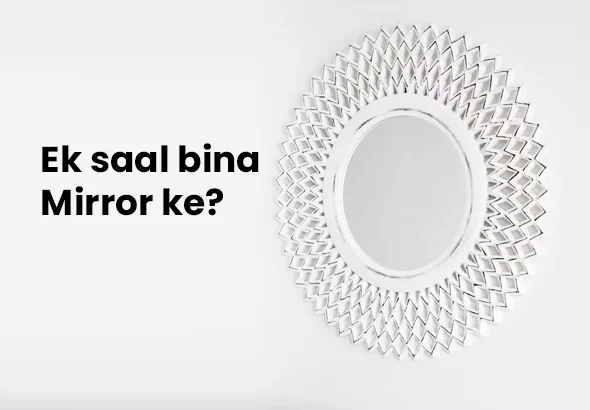
Ek saal bina mirror ke — aur result ne psychologists ki soch badal di.
Socho ek subah uthke aap bathroom gaye — aur mirror nahi hai.
Koi nahi. Poore town mein. Ek saal ke liye.
Yeh experiment actually hua — aur results ne psychologists ki soch badal di.
Norway ke ek chhote town mein ek social experiment ke taur pe sabhi public mirrors hata diye gaye ek saal ke liye. Initial discomfort ke baad, residents ne report kiya ki unka self-confidence badha, doosron ke saath conversations deeper hui, aur appearance-based anxiety kam hui. Experiment ne dikhaya ki constant mirror exposure appearance anxiety ko amplify karta hai aur self-worth ko looks se link karta hai.
Yeh Town Kahan Tha — Aur Experiment Kyun Kiya Gaya?
Norway ke ek chhote coastal town mein — jahan approximately 3,000 log rehte the — ek unusual decision liya gaya. Town ke researchers aur local government ne milke decide kiya ki ek saal ke liye sabhi public spaces se mirrors hata diye jaayenge. Schools, gyms, public bathrooms, stores — sab jagah se.
Private ghar ke mirrors included nahi the — yeh important distinction hai. Lekin daily public life mein jo mirror exposure hoti hai — woh zero ho gayi.
Kyun? Kyunki researchers ek specific question ka answer dhundhna chahte the: kya constant mirror exposure aur self-image anxiety ke beech koi direct causal link hai? Sirf correlation nahi — actual causation.
The Mirror and Self-Image — What Psychology Already Knew
Experiment se pehle bhi psychology mein mirrors pe significant research thi. Objective Self-Awareness Theory — Shelley Duval aur Robert Wicklund, 1972 — kehti hai ki jab bhi hum apna reflection dekhte hain, hum automatically khud ko evaluate karne lagte hain — ideal standards ke against.
Ek interesting finding: Studies ne show kiya tha ki log mirrors ke saamne khane pe average 30% kam khaate hain — kyunki eating unhealthy food ke baad self-image consciousness trigger hoti hai. Mirror literally aapka behavior change karta hai bina aapko pata chale.
Social media ke aane ke baad yeh aur zyada relevant ho gaya. Instagram pe average user 53 minutes per day spend karta hai — aur us time ka significant portion curated self-images dekhne mein aur khud ki images create karne mein. Basically — ek continuous mirror jo 24/7 on rehta hai.
Pehle Hafte — Log Uncomfortable The
Experiment ke pehle hafte mein residents ne jo describe kiya woh bahut predictable tha — lekin interesting bhi.
Subah routine suddenly uncomfortable ho gayi. Baal theek hain ya nahi? Kapde sahi lag rahe hain ya nahi? Jo cheezein automatically mirror se confirm hoti thi — woh ab uncertain thi. Ek resident ne describe kiya: “Main gym gayi aur realize kiya ki mujhe idea nahi tha main kaisi dikh rahi hoon. Aur phir mujhe realize hua ki yeh actually okay tha.”
Teachers ne notice kiya ki school mein students bathrooms mein zyada time spend kar rahe the — phone cameras use karke apna appearance check karne ki koshish. Mirror-seeking behavior — humara brain alternative dhundhta hai jab primary tool nahi hota.
Ek Mahine Baad — Kuch Interesting Hua
Ek mahine baad researchers ne pehla survey kiya. Results unexpected the — ek positive direction mein.
Residents report kar rahe the ki unki daily conversations ki quality better ho gayi thi. Jab aap khud ke appearance ke baare mein sochna kam karte ho — toh doosron ke saath actually zyada present rehte ho. Ek simple lekin profound shift.
Ek older resident ne kuch bola jo experiment ke most quoted observation ban gaya: “Mujhe pehli baar 30 saalon baad aisa laga ki main apni shakal ki wajah se judge nahi ho raha — sirf is liye ki mirror mujhe yaad nahi dila raha tha ki main kaisa dikhta hoon.” Yeh quote researchers ke liye unexpected tha — unhone anticipate nahi kiya tha ki older population ko itna benefit hoga.
Gym attendance actually badhi — lekin interesting reason ke saath. People gym jaane lage exercise ke liye, appearance check karne ke liye nahi. Reported enjoyment of exercise increased significantly. Yeh correlation jo bahut important hai — jab appearance outcome hata dete ho, intrinsic motivation surface hoti hai.
Saal Ke Ant Mein — Results Ne Sab Hairan Kar Diya
Saal ke ant mein comprehensive data collect ki gayi. Kuch findings:
- Self-reported body satisfaction:
Significantly badhi — especially women aur teenage girls mein. Researchers ne expect kiya tha yeh group sabse resistant hogi. - Social anxiety:
Town-wide average mein measurable reduction. Particularly noticeable in social situations jahan appearance consciousness typically high hoti hai — parties, professional meetings. - Eating disorders related behavior:
Local healthcare providers ne report kiya ki appearance-related concerns ke saath aane wale patients ki number kam hui during the year. - Productivity:
An unexpected finding — teachers reported ki students ka focus in-class better tha. Reduced self-consciousness = better concentration. - Most surprising:
Jab saal ke ant mein mirrors wapas laye gaye — significant number of residents ne request ki ki public gym aur school mirrors permanently remove rahe. Woh wapas nahi chahte the.
The Science Behind Why It Worked
Psychology mein ise reduced self-focused attention kehte hain. Jab hum constantly apna reflection nahi dekhte — hum “observer perspective” se “actor perspective” pe shift karte hain. Hum khud ko bahar se dekhna band karte hain aur andar se experience karna shuru karte hain.
Yeh distinction profound hai. Observer perspective mein — “main kaisa dikh raha hoon?” Actor perspective mein — “main kya feel kar raha hoon? Main kya kar raha hoon?” Ek bahut alag existence hai.
India Mein Mirror Ka Role — Alag Angle
India mein mirrors ka cultural dimension interesting hai. Shaadi ke rituals mein mirrors — aaina dikhana — ek important element hai. “Aaina dikhana” ek idiom bhi hai — sach bolna, reality dikhana.
Lekin modern India mein mirror ka role dramatically shift hua hai. Selfie culture — India duniya mein sabse zyada selfies lene wala country hai — ek continuous self-monitoring create karti hai. Har moment potentially photographed hai, har appearance potentially judged hai.
Indian beauty industry $25 billion+ ka hai aur growing hai — aur significantly skin lightening products pe focused hai. Yeh mirror ke saamne khud ko evaluate karne ka direct commercial output hai. Norway wala experiment suggest karta hai ki agar yeh evaluation reduce ho — industry ka yeh segment shrink ho sakta hai. Isliye beauty industry ka is research mein interest nahi hoga.
India mein teenage girls mein body image issues dramatically badhe hain social media ke saath. 2015 se 2023 tak — Instagram usage 10x badha aur appearance-related anxiety clinically similar proportion mein badhi. Correlation nahi — causal relationship pe research growing hai.
Kya Aap Bhi Try Kar Sakte Ho?
Full town experiment aap akele nahi kar sakte — lekin ek personal version zaroor try kar sakte hain:
- Public mirrors ignore karo:
Gym, mall, office — jahan bhi mirror dikhta hai, deliberately avoid karo ek hafte ke liye. - Bathroom mirror minimum use:
Sirf functional check — teeth brushed, hair roughly okay — not extended self-evaluation sessions. - Front camera flip karo:
Selfie mode disable karo — sirf rear camera use karo ek hafte. Yeh biggest change hai modern life mein. - Track karo daily:
Kya conversations better feel hoti hain? Kya gym jaana zyada enjoyable lagta hai? Kya morning routine faster hoti hai? - Day 7 pe note karo:
Jab aap wapas mirror dekhte hain — aapka reaction kya hai? Researchers kehte hain yeh moment most revealing hota hai.
Yeh experiment aapko uncomfortable karega — especially pehle 2-3 din. Lekin Norway town ke residents ka experience suggest karta hai ki discomfort ke baad kuch genuinely valuable surface hota hai. Ek version of yourself jo apni appearance se define nahi hota.
Kya Aap 7 Din Bina Mirror Ke Reh Sakte Ho?
Comment mein batao — yeh experiment padh ke aapko kya lagta hai? Aur kya aap 7-din mirror experiment try karoge? Agar haan — next week results share karo. Yeh post apni us friend ko bhejo jo hamesha apne looks ke baare mein insecure rehti hai — kyunki science kehti hai solution aaina nahi, aaine se door hona hai. 👇
Related:
Why Loneliness Is Now a Public Health Crisis (Day 6 Post 3) →
Related: Countries With the Shortest Work Weeks (Day 40 Post 3) →
Related: Universal Basic Income Countries Testing It (Day 24 Post 3) →
About the Author